
October is the perfect month to give your truck camper a little attention before colder temperatures arrive! A smart fall service visit can protect your water system, seals, tires, LP equipment, and batteries, helping you enjoy more crisp-morning camping and fewer repair surprises in March.
At 62 Sales, we believe getting back to basics is one of the best parts of RV travel. Smaller truck campers and teardrops are simpler to maintain, easier to tow or load, and often less expensive to winterize than big rigs. That means less time managing the camper and more time enjoying the open road, the woods, and the people you love.
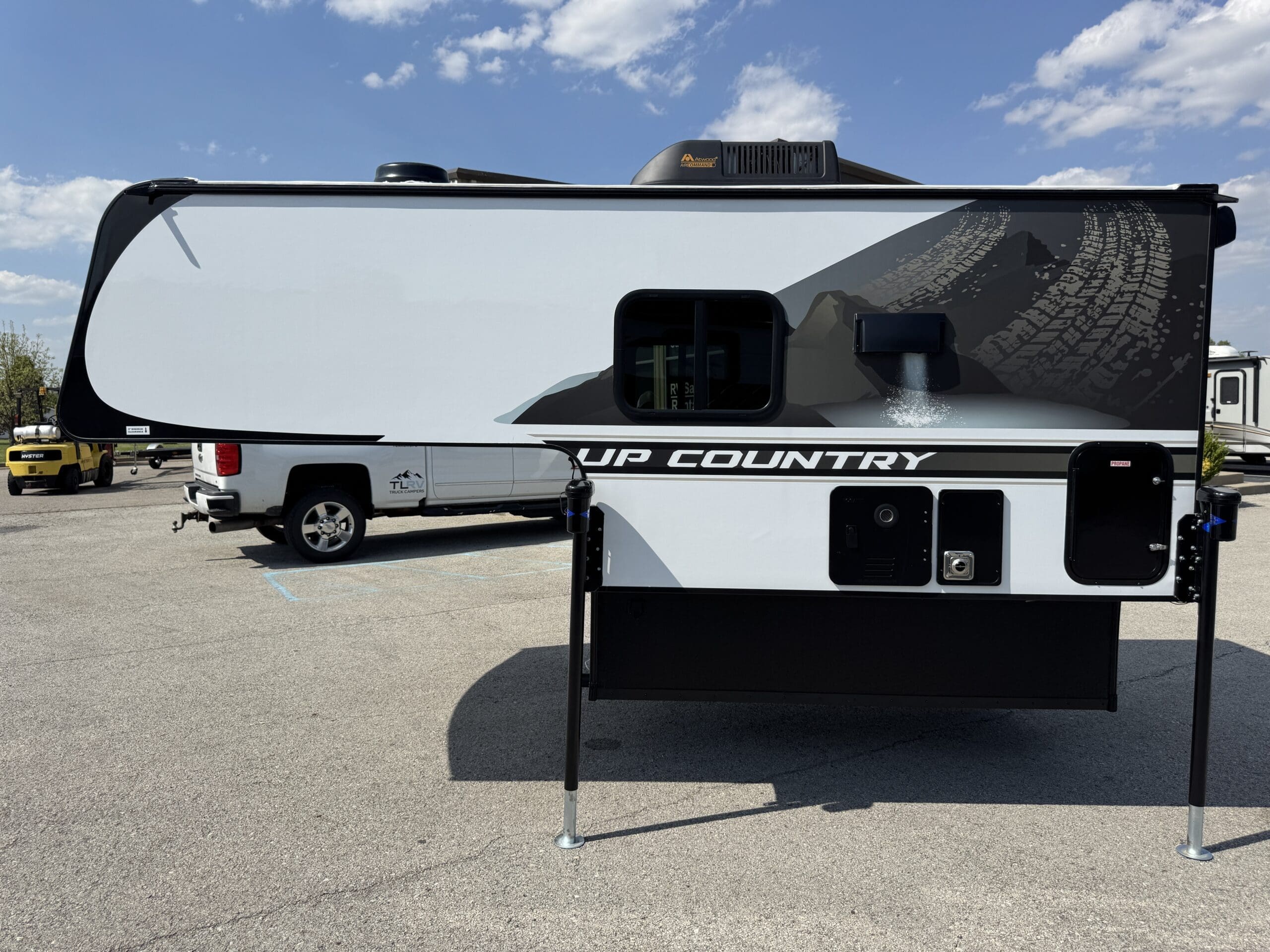
Whether you own a Travel Lite RV, Up Country, TLRV camper, or a Modern Buggy teardrop, use this fall checklist to keep your adventure ready!
Why October Is Prime Time for RV Service
Winterization is not only for storing your camper. In Southern Indiana, October can be one of the best months for camping. Fall foliage, quiet campgrounds, cooler hiking weather, and bright, crisp mornings make late-season trips unforgettable.
The key is knowing whether you plan to:
- Keep camping through the fall and winter
- Store your camper for several months
- Use the camper occasionally while protecting vulnerable systems from freezing
A service inspection now can catch small problems before they become expensive ones. Cracked sealant, a weak battery, low tire pressure, or leftover water in a plumbing line can quickly turn into a repair bill.
Fall Truck Camper Winterization Checklist
1. Inspect the roof, seals, and exterior
Start at the top and work your way around the camper. Look closely at:
- Roof seams and vents
- Solar panel wiring penetrations
- Window and door seals
- Corner trim
- Exterior lights
- Jack mounts and utility connections
- Any cracked or separating sealant
Water intrusion is easier to prevent than repair. Clean and dry the camper before resealing any questionable areas with RV-appropriate products. Your camper’s manufacturer may specify particular sealants, so check the owner’s manual or ask a qualified service professional before applying anything.
The 2026 Travel Lite RV 650U is built with full composite, rot-proof construction and a TPO roof membrane over an aluminum-trussed roof. The 2026 TLRV 775U also uses an all-aluminum frame and composite materials with no wood, plus a 4-year structural warranty. Those construction details provide important long-term confidence, but every camper still benefits from regular seal inspections!
2. Drain and protect the water system
If your camper will be stored, drain the fresh, gray, and black water systems as applicable. Open low-point drains and faucets so trapped water can escape.
For campers with a water heater:
- Turn off the heater and allow it to cool.
- Relieve pressure before draining.
- Drain the water heater according to the manufacturer’s instructions.
- Bypass the heater before adding RV antifreeze.
- Remove or bypass water filters.
- Protect sink, shower, toilet, and outdoor shower lines.
Use only non-toxic RV antifreeze in the plumbing system, never automotive antifreeze. Some owners use compressed air, RV antifreeze, or a combination of both. If you are unsure which method fits your camper, schedule RV service with 62 Sales before the first hard freeze.
A tankless water heater still requires proper winterization. Do not assume that because there is no storage tank, no water remains in the system.
3. Check LP equipment and furnace operation
Cold-weather comfort depends on a healthy LP system. Inspect the tank, regulator, hoses, and connections for visible wear. Make sure the LP tank is secure and the valve operates properly.
Before storing:
- Turn off appliances and the main LP valve.
- Check for damaged hoses or fittings.
- Confirm that the regulator is protected from moisture.
- Test the furnace before you need it.
The 2026 Travel Lite RV 650U includes an 18,000 BTU furnace and a 20 lb. LP tank, making it well-suited for comfortable shoulder-season camping. Test the furnace early, while help is easy to find, not during the first freezing night of the year!
4. Inspect tires, jacks, and truck fit
Your truck camper depends on the complete truck-and-camper setup. Check tire pressure using the vehicle and tire manufacturer’s recommended specifications, and inspect for uneven wear, cracking, or damage.
If the camper will be removed from the truck:
- Set it on stable, level support.
- Use appropriately rated blocks or stands.
- Do not rely on the jacks as the only long-term support.
- Protect tires from standing water and prolonged UV exposure.
The 2026 TLRV 775U weighs 1,722 lbs. dry and fits 1/2-ton and larger trucks with a 6.5-foot bed. It measures 181 inches in exterior length and has an 80-by-98-inch cabover bed. A professional walk-through can help confirm loading, tie-down, jack, and clearance details for your specific truck.
Keep Your Off-Grid Power Strong Through Cold Weather
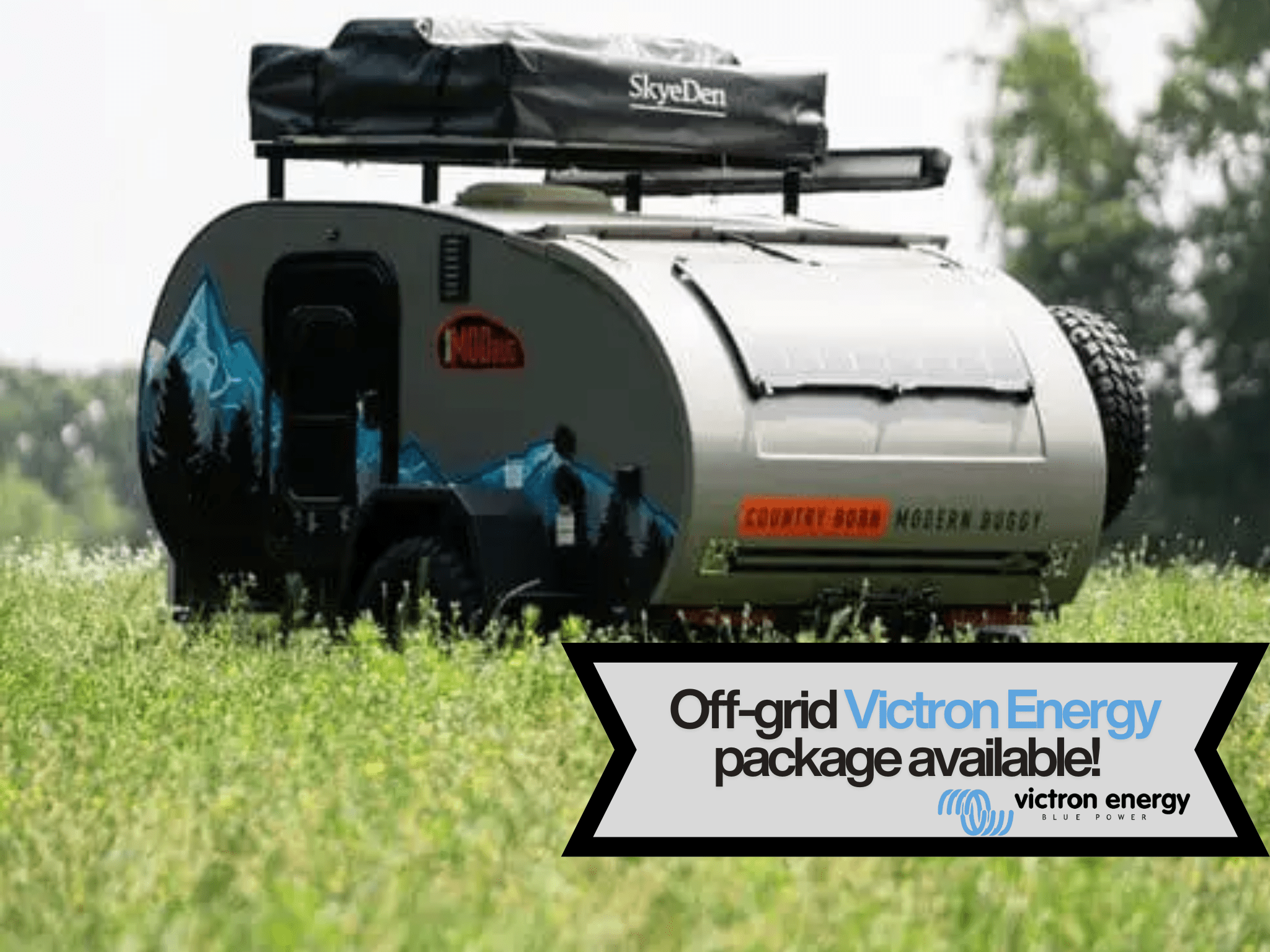
Fall service is also the right time to review your solar and battery setup. Many 62 Sales customers choose smaller campers because they want to spend more time unplugged, and a properly designed off-grid system makes that freedom easier.
Our approach is personal and practical. We can customize campers with upgraded solar, expanded water capacity, battery monitoring, and smart accessories based on how you actually camp.
Solar prep checklist
Before winter:
- Clean the solar panel.
- Inspect wiring and roof penetrations.
- Confirm the charge controller is working.
- Review battery type and charge settings.
- Check all connections for corrosion or looseness.
- Verify that your system is producing power.
The 2026 Travel Lite RV 650U includes a 200W solar panel, while the 2026 TLRV 775U includes 200W solar with expansion capability. That gives owners a strong starting point for weekend boondocking and future upgrades.
A Victron battery monitor can make your system easier to understand by showing how much power is going in and out, rather than relying only on voltage. For cold-weather campers, that information is especially valuable.
Lithium battery care in freezing weather
Lithium batteries can be excellent for off-grid camping, but cold-weather charging requires care. Most LiFePO4 batteries should not be charged below 32°F unless they include a manufacturer-approved heating system.
Before cold weather arrives:
- Confirm whether your battery has low-temperature charging protection.
- Check whether it includes internal heating.
- Keep batteries in a heated or insulated location when possible.
- Coordinate solar, shore power, and alternator charging settings.
- Follow the battery manufacturer’s storage state-of-charge recommendations.
A solar controller may continue trying to charge unless the battery management system or system controls stop it. Make sure every charging source follows the same low-temperature rules. If you are adding a Victron monitor, lithium battery, or expanded solar system, let us help you configure the setup correctly.
Getting Back to Basics With a Smaller Camper
Downsizing is not about giving up adventure. It is about deciding what matters most.
A smaller camper usually means:
- Fewer systems to maintain
- Faster setup and teardown
- Lower winterization costs
- Easier access to smaller campsites
- Less time spent cleaning and managing equipment
- More freedom to focus on hiking, paddling, campfires, and family time
The TLRV 650U weighs 1,576 lbs., measures 13 feet 1 inch long, and offers a 6-foot 6-inch interior height. It includes a 13-gallon fresh water tank, 5-gallon gray tank, tankless on-demand water heater, outdoor shower, wireless remote Happy Jacks, and 200W solar.
Modern Buggy teardrops bring that same back-to-basics spirit to towable camping. If you prefer a compact trailer instead of a truck bed camper, explore our towable camper inventory or consider a rental adventure before you buy.
Campground Highlight: Clifty Falls State Park
This week’s Southern Indiana campground highlight is Clifty Falls State Park in Madison, Indiana, about 45 minutes from 62 Sales.
Clifty Falls is a fantastic late-season destination for fall colors, hiking, waterfalls, and cool nights around the campfire. The park offers electric and non-electric camping, and limited winter camping is available. Check current conditions and reservations through the Indiana DNR Clifty Falls State Park page.
Our dealership at 7402 Westbrook Dr. in Charlestown is also about five miles from Charlestown State Park, making it easy to combine a camper walk-through or service visit with a quick nearby escape.
Consider Winter Storage at 62 Storage
If you are not planning to use your camper during the coldest months, proper storage can make spring preparation much easier.
Just past 62 Sales on Highway 62 toward Madison, 62 Storage offers:
- 30-foot and 45-foot units
- 24/7 access
- Gated access
- Insulated units
- Power availability
- Space for RVs, boats, trailers, and vehicles
Clean, secure storage gives your camper a protected home while keeping it close to the team that knows your setup.
Ready for Your Fall Service Check?
Do not wait until the first freeze to discover a plumbing issue, weak battery, or roof seal problem! Book a winterization appointment or schedule a personal walk-through at 62 Sales.
We are a family-owned dealership, not a big national chain, and we take the time to explain how your camper’s systems work. Have a question after you get home? We are just a call or text away, even after hours.
Visit our truck camper inventory, including the 2026 TLRV 775U, or compare options like the Up Country 650U. New truck campers for sale are on the lot now, with cash prices around $25,995 for the TLRV 775U, $23,995 for the Up Country 650U, and $21,995 for the Up Country 575U-XS.
Call or text 812-720-3810 anytime, visit us Monday through Friday from 9–5, or make a Saturday appointment. Let’s winterize smart, customize your off-grid setup, and keep your next unforgettable adventure on the open road! Contact 62 Sales today.
